People with Type 1 and Type 2 Diabetes are at risk for eye complications, such as Diabetic retinopathy, Macular Edema, Glaucoma, and Cataracts. During November, the American Diabetes Association focuses on Diabetic Retinopathy.

What is Diabetic Retinopathy? This is a general term for any retina problems caused by diabetes. There are three types: Nonproliferative, Macular edema, and Proliferative. Nonproliferative is the most common type of Diabetic Retinopathy.
Nonproliferative means that “capillaries in the back of the eye balloon and form pouches.” This type of retinopathy can move from mild to severe. Macular edema occurs when the “capillary walls may lose their ability to control the passage of substances between the blood and the retina.” If fluid leaks into the macula, it requires treatment, which usually is effective at stopping vision loss. (ADA)
Proliferative Retinopathy is the most serious type and causes damage to the blood vessels and they close. New vessels grow and are weak, which causes leaking blood. This blurs vision. If scar tissue forms from the weak blood vessels, the retina can detach. Retina detachment is an emergency situation.
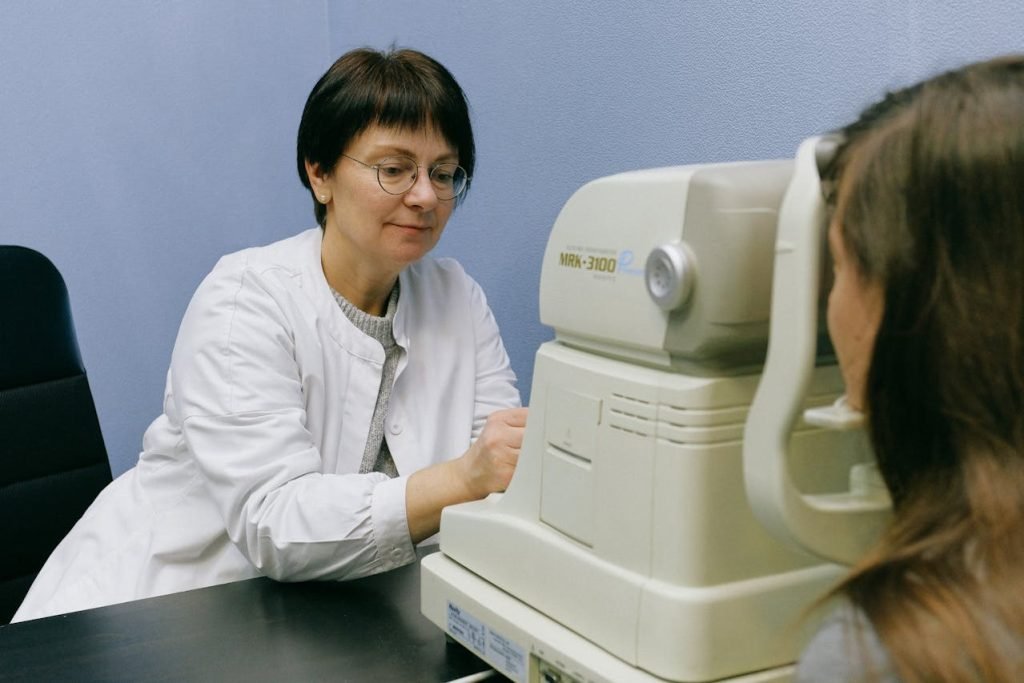
Vision loss is a fear to patients who live with Diabetes. If you have regular ophthalmology appointments, these issues can be caught early and treatment started. If you or someone you love has Diabetes, encourage them to see their doctor at least once a year.
November is also the Diabetes Awareness Month. At the American Diabetes Association website, you’ll find everything you need to know about how to take care of yourself when living with Diabetes (Type 1 and 2).
@2025, copyright Lisa Ehrman
Disclaimer: I’m not a medical expert. This post contains my opinions and experiences and is not meant to be taken as medical advice. If you have a medical concern, please consult your personal physician..