In 2013, I met with Dr. Jennifer Humberson at UVA and was found to have hEDS. There are no genetic reasons to diagnose this, and my hEDS was diagnosed by family history and symptoms. When I received this news, my entire life made more sense.

I was born with mild hip dysplasia and “pigeon toes.” I wore braces on my legs in the crib and wore corrective shoes through @2nd grade. The shoes had a very hard sole so that my toes became more forward facing. I don’t see any evidence in my feet today, but I’ve had hip subluxations in my 30’s and 40’s.
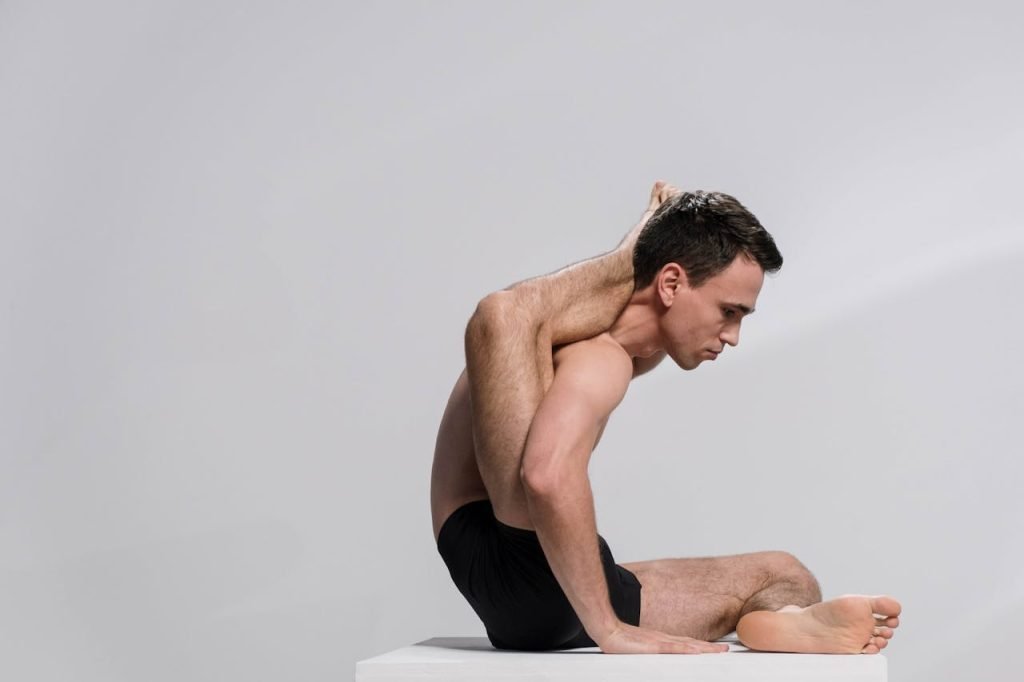
I don’t remember all the symptoms I had growing up, because I thought I was normal. My family also exhibited many of these, too. My fingers were extremely hypermobile. My feet, hips, ankles, neck, fingers, and ears could move in crazy ways. I often enjoyed showing others my party tricks as I became older. Little did I know what was to come as I grew older.
I wore a Milwaukee brace in my teens, which was extremely painful. The scoliosis, kyphosis, and lordosis was discovered when my bones were almost impossible to correct. I had temporary help as I came out of the brace, but it didn’t last. I over-used a heating pad because my back pain was so awful in college. I tried to stay healthy and kept slim by exercising with low-impact routines.
These things probably helped until around 2011, when I suddenly became exercise intolerant. I saw a doctor about my new problems, including POTs-like symptoms. He began checking for autoimmune diseases. This began the search for all of my health problems and diseases.
My diagnosis was confirmed when I had a full hysterectomy with prolapse surgery. The surgeon said that my tissue was unlike anything he’d seen. He said the tissue just sagged and didn’t have the structure it should. My collagen was mutated and every cell was damaged. With this type of cell structure, it was no surprise that I developed many diseases.
I always wanted to be part of a research group. As far as I know, my diagnosis wasn’t even entered into any database. Since then, groups have tried to gather and record diagnosis for research purposes.
I have been excited to see a new article discussing some new research! There have been scientists who discovered a genetic variant in many people with hEDS.
In this post I read how actual hEDS scientists were doing research. Part of their reason for doing this was because of their own history. Most people who have been diagnosed had a long and frustrating history trying to find out what was wrong with them.
EDS has no cure or specific treatment. If we’re lucky, we get our symptoms treated. Often the combinations of medications leave us worse off than before. I take 17 different medications and many of them don’t work well with the others in my pill box. EDS appears to have numerous co-morbidities and they are debilitating, as I have personally discovered.
New research for hEDS has been conducted by the Ehlers Danlos Foundation. Scientists are looking at why we experience symptoms that we do. They found 35 blood proteins that we have, that aren’t the same as normal people. They are seeing information , such as, “Most of these changes were in proteins linked to the immune system, blood clotting, blood pressure, and inflammation. The largest group of changes involved the complement system, which helps the body fight infection and control inflammation.”
(https://www.ehlers-danlos.com/exciting-new-research-sheds-light-on-heds-biology/).
Other clinical trials include:
https://clinicaltrials.gov/study/NCT03093493
I hope to read more and more updates on these studies and am excited for the possibility of better treatments. I also look forward to more testable results. Many physicians don’t care about hEDS diagnosis because it doesn’t have a genetic link, and they then ignore it as part of my entire medical issues. This really brings about a lack of medical care, based on a wholistic outlook. It’s extremely frustrating to those of us who feel ignored and are suffering with low-impact treatments.
Medical research is of the utmost importance. I hope that research will be supported in the US and other countries around the world. And, I hope that you’re getting adequate treatments. Let me know what treatments you’ve been given and whether or not they work.
@2025, copyright Lisa Ehrman
Disclaimer: I’m not a medical expert. This post contains my experiences and opinions, and is not meant to be taken as medical advice. If you have a medical concern, please consult your personal physician.
Advancements are always good news. Hopefully they can find a better treatment.